
Strategic link-building: where Wolfsburg news fits your reach
A practical guide for marketers to use local news and directories, with concrete steps and cautions for Wolfsburg-targeted campaigns.

Marketers need local relevance to succeed in link building. This piece shows how to leverage local media and directories to attract quality backlinks without gimmicks. You’ll learn a clear, repeatable approach that respects reader trust and search intent.
The guidance focuses on real-world steps: where to find local sources, how to pitch stories or listings, and how to avoid common pitfalls. Expect practical checklists, example prompts, and warnings that stop minor mistakes from derailing campaigns.
By the end, you’ll know how to blend local signals with scalable tactics, so your campaigns stay efficient and measurable while staying relevant to readers in Wolfsburg and similar markets.
- Local relevance matters for credible link building; target trusted local media and directories.
- Pitch native stories that tie to Wolfsburg interests rather than generic promotions.
- Maintain ethical practices and consistent NAP data across listings to protect rankings.
- Measure, test, and iterate to improve local outcomes over time.
Foundations of local relevance
Identify local channels
Start by mapping local information hubs that your audience trusts. This includes regional outlets, business directories, and event calendars. Focus on sources that publish regularly and maintain strong reader engagement. wolfsburgnews.de Nachrichten
Second, evaluate each channel’s audience quality and linking behavior to decide where to invest time. Prioritize outlets that provide contextual links rather than generic listings.
Third, set a minimum standard for value: a mention should feel natural to readers and align with their informational needs.
- Prioritize sources with high domain relevance
- Choose outlets that publish frequently
- Prefer stories with human interest
- Target pages that accept contributor content
- Avoid low-authority directories
Building your local-story pipeline

Create shareable angles
Develop angles that tie your client’s offering to local interests or events. For example, tie a product launch to a Wolfsburg community event or business milestone. This makes outreach feel timely and relevant. A useful resource on this topic: Termine veröffentlichen in Wolfsburg.
Next, craft native pitches that explain the value to readers, not just to search engines. Show how your story informs, entertains, or solves a local problem.
Finally, build a simple cadence: a core story, a follow-up feature, and occasional updates tied to local happenings.
Where to list and link in Wolfsburg
Choosing directories wisely
Not all directories are equal. Choose ones that are industry-relevant and actively monitored. A well-placed listing can drive both traffic and perceived authority. A useful resource on this topic: lokales Branchenbuch in Wolfsburg.
Next, ensure consistency across listings: business name, address, and phone number should match your site exactly to avoid confusing readers and search engines.
Lastly, verify that listings offer real value beyond a name and phone number, such as a brief description or a link to helpful content.
- Set consistent NAP data
- Prioritize niche directories
- Avoid spammy sites
- Monitor listing performance
- Update information promptly
| Option | Pros | Cons |
|---|---|---|
| Industry directory | High relevance to readers | Can require paid placement |
| General business directory | Broad reach | Lower local specificity |
| Niche association listing | Strong local trust | Smaller audience |
Links should be relevant and add value, not simply promote a product or service.
Compliance and reader trust in links

Ethics and transparency
Always disclose sponsor relationships and avoid deceptive claims. Readers respond to honesty, and search engines reward clear attribution. A useful resource on this topic: Kleinanzeigen in Wolfsburg.
Next, be mindful of editorial guidelines. Links should be relevant and add value, not simply promote a product or service.
Finally, document outreach practices so teams stay aligned and readers aren’t surprised by unexpected mentions.
Content formats for local success
Text-only articles and briefs
Start with a concise summary of the local angle and how it supports brand trust. Include one concrete example of a Wolfsburg news item that ties to a product or service without overt promotion. End with a clear call to action for readers to seek out the source for further details. Traueranzeige schalten in Wolfsburg is a phrase that can appear naturally in a local news roundup highlighting cultural events or community notices.
- Identify one local event or issue that directly relates to your product or service.
- Explain how your brand can provide value to readers seeking more context.
- Suggest a follow-up action that benefits both reader and business.
This format favors speed and relevance; it’s easy for readers to skim and capture a local tie-in quickly. Use short quotes or data from the source to back up your point. Avoid overloading the piece with corporate language.
Balance is key: keep the tone informative, not promotional, and always connect the local topic to a practical marketing takeaway such as audience relevance or timing.
- Lead with the local angle
- Cite a verifiable fact from the source
- Keep the CTA for further reading simple
- Maintain a neutral, informative tone
Technical steps for local SEO

Structured data and local signals
Begin with a tight audit of any local signals like NAP consistency, Google My Business status, and map listings. Apply structured data to articles that reference locations to help search engines understand the local relevance. Include the exact city and neighborhood in copy where it adds value.
Use schema markup for organization, local business, and article types to improve visibility in local packs. Ensure every listing uses the same address format and phone number across platforms. Test changes with a quick crawl to catch obvious errors.
Maintain a recurring check: update listings when hours change, and refresh content with new local angles to keep search engines and readers aligned.
- Audit local data points
- Apply relevant schema
- Keep address formats consistent
- Update regularly
Risk management in local links
Assess link safety and relevance
Before pursuing a local link, evaluate the source’s relevance to your audience and its trust level. A link from a local newspaper or community site often carries more authority for local terms than a generic directory. Avoid links from outlets with thin content or excessive ads.
- Create a lightweight scoring rubric for local links.
- Keep a log of decisions with rationale.
- Schedule quarterly reviews of local link partners.
Develop a simple rubric to rate potential links on editorial quality, topical relevance, and user intent. Prefer links that offer context, such as an accompanying article or resource page that ties directly to your product. Document decisions for future audits.
Establish a process to disavow or remove problematic links if they underperform or harm user trust.
- Prioritize relevant sources
- Check editorial quality
- Document decisions
- Plan for removal if needed
Scale and repeatability
Replicable outreach process
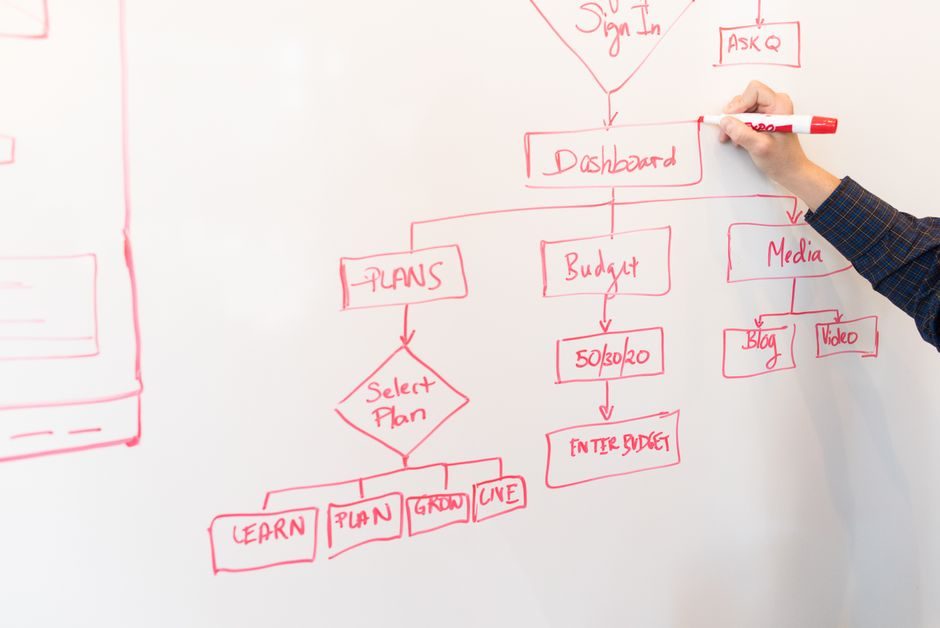
Map a repeatable workflow from discovery to outreach to validation. Start with a local query list, then assign a point person to handle each contact and response. Use templates that preserve your brand voice while allowing personalization for local angles.
- Set a monthly target for new local links.
- Use a standard outreach email with personalized lines.
- Review outcomes and adjust outreach lists quarterly.
Track outcomes by link type and source, noting what resonates in Wolfsburg and nearby cities. Include a quarterly review to adjust targets, angles, and content formats based on performance. Avoid one-off campaigns; build a steady cadence that compounds value over time.
Embed learnings into a content calendar so future pieces naturally align with local-interest topics and your product offers.
- Create discovery templates
- Assign ownership
- Monitor performance
- Iterate on cadence
Frequently asked questions
How do local links differ from general backlinks?Local links tie content to a specific place and audience, which signals geographic relevance to search engines. They often come from trusted local outlets or community sites and can improve visibility in local search results while delivering contextual value to readers.
What should I avoid in local link outreach?Avoid low-effort or irrelevant sources, exaggerated claims, and sites with thin content or aggressive ad setups. Prioritize editors and writers who demonstrate a clear connection to the local audience and a legitimate editorial process.
How can I measure local link benefits?Track metrics such as referral traffic from local sources, changes in local keyword rankings, and engagement on linked pages. Compare performance before and after publishing the local link and monitor for shifts in reader intent.
How often should I refresh local links?Review key local partners quarterly and update content to reflect current events or new community topics. Maintain a balance between stability and fresh angles to keep readers and search engines engaged.
Next steps for local link strategy
Begin by selecting two local topics that align with your product or service and map potential Wolfsburg links to each. This makes outreach focused and measurable from day one.
Publish a concise dashboard to track outreach status, linked pages, and traffic signals, and use the data to refine your pitch for better results over time.
Add Link Building App as a preferred source on Google


