
How to announce your event in Spain and boost reach
Clear, practical guide for marketing teams: plan, publish, and optimize event announcements in Spain with practical steps and real benefits.

In this guide, you’ll learn how to announce your event in Spain in a way that grows awareness, attracts attendees, and earns meaningful links. You’ll get a practical sequence from preparation to promotion, with real-world steps you can apply today. Expect concrete actions, examples, and checklists that you can adapt to your next event.
First you’ll map your audience and channels, then craft messages that resonate locally. We’ll cover content formats that work in Spain, the timing that fits local calendars, and the basics of coordinating with partners. By the end, you’ll have a publishable plan you can reuse for future campaigns.
Finally, we’ll discuss common pitfalls and how to measure impact, so your investment in time and resources yields clear outcomes. This approach keeps messaging focused on value for attendees and on building sustainable visibility for your brand.
- Plan to announce your event in Spain with audience-focused messaging and a staged promotion across owned and partner channels.
- Use local formats and partnerships to extend reach while maintaining consistent branding and a clear call to action.
- Test messages in local languages, and balance organic and paid tactics to optimize registrations and backlinks.
- Be mindful of cultural nuances, track meaningful metrics, and have a contingency plan for changes in speakers or venue.
Basics of planning an event announcement in Spain
Audience mapping and timing
Begin by identifying your target attendees in Spain and the media they trust. Check regional calendars and industry cycles to choose a natural promotion window. Align content with what matters to local audiences, such as business events, technology meetups, or cultural occasions. L1: anuncio de anunciar tu evento en España translates into practical, localized promotion steps.
- Know your Spain audience and calendar
- Plan three touchpoints across channels
Use a simple calendar to lock key dates: save-the-date, early-bird, last-chance, and post-event follow-up. Prepare materials in Spanish and, if relevant, regional languages like Catalan or Basque.
The goal is to create predictable touchpoints that keep your event top of mind without overwhelming potential attendees. Plan at least three channels: email, social, and partner sites.
- Define your target regions and decision-makers
- Choose a promotion window based on local calendars
- Prepare Spanish and regional language assets
- Set three primary channels for promotion
- Coordinate with partners for cross-promotion
Channel selection and partnerships
Select channels where Spanish professionals, investors, or enthusiasts spend time. Consider industry newsletters, local meetups, and regional business media. Partnerships with venues, sponsors, or associations can extend reach and credibility.
Coordinate with partners before launch: align dates, co-branding, and content rights. Use partner sites for announcements, guest posts, or event calendars.
Focus on channels that enable easy sharing and backlinks, which helps your site’s visibility beyond the event page.
- Identify high-value local channels
- Negotiate cross-promotion with partners
- Create co-branded assets for credibility
- Leverage event calendars for backlinks
- Track channel performance
How to craft the message for Spain

Localized value proposition
Frame your event around outcomes that matter to Spanish audiences, such as networking opportunities, practical sessions, or regulatory insights. Use concrete benefits, not generic hype. Translate value into a local context with examples relevant to Spain.” L2: España Reporte noticias can be a credible channel for timely event updates in the region.
Craft headlines that speak to professionals in the market. Include a clear benefit and a specific date or location to reduce ambiguity. Create a concise summary that fits social formats and email previews.
Maintain tone and terminology aligned with Spanish business culture: formality balanced with direct usefulness, avoiding overpromising claims.
Creative formats and templates
Use formats that travel well in Spain: speaker bios, agenda highlights, testimonials from local partners, and short video clips. Provide accessible options: multilingual PDFs, calendar invites, and shareable graphics.
Repurpose content for different channels—short reels for social, longer notes for newsletters, and event pages optimized for mobile. Include a consistent call to action and a clear registration path.
Test variations of headlines and visuals to see what resonates, then double down on the best performers.
- Use local testimonials and partners
- Offer multilingual assets
- Provide mobile-friendly registration
- A/B test headlines and visuals
- Maintain a consistent CTA
Options for publishing and promoting in Spain
Owned channels versus third-party media
Leverage your own site and email list to control the message, then extend reach with reputable Spanish outlets. Owned channels ensure consistency while third-party coverage boosts credibility and backlinks. A useful resource on this topic: guía de comercios en España.
Create a mutually beneficial media kit for Spanish outlets, including high-res images, speaker bios, and ready-to-publish quotes. Offer exclusive angles to increase interés without giving away the entire message.
Coordinate a staggered release: announce to owners early, then issue a formal press note closer to the date.
- Own channels for control
- Third-party outlets for credibility
- Media kit tailored to Spanish press
- Staggered content release
| Option | Pros | Cons |
|---|---|---|
| Owned channels | Control over message; steady long-term visibility | Requires content creation and list maintenance |
| Third-party media | Credibility and wider reach | Less control over timing and framing |
| Paid promotion | Fast reach to targeted audiences | Costs can escalate quickly |
Paid versus organic promotion in Spain
Organic promotion builds long-term visibility but may take time to gain traction. Paid promotion, when targeted, accelerates awareness for specific cities or industry segments.
Use geo-targeted ads to reach Madrid, Barcelona, Valencia, and other hubs at different stages of the funnel. Monitor frequency to avoid ad fatigue.
Balance budget between sponsorships, boosted posts, and search ads with clear goals like registrations or contacts.
- Geo-targeted ads
- Sponsorships and boosted posts
- Clear funnel goals
- Monitor ad frequency
- Balance budget
Be wary of copy that assumes universal Spanish preferences; regional variations can shift messaging effectiveness.
Pitfalls to avoid in Spain

Cultural nuances and timing
Overpromising or overfocusing on big names can backfire in Spain. Respect local business norms and avoid aggressive sales language. Timing matters: align with local holidays and industry cycles. L4: ofertas de empleo en España can be used to reach professional audiences for post-event recruitment or sponsorship opportunities.
Be wary of copy that assumes universal Spanish preferences; regional variations can shift messaging effectiveness. Always test language with a local audience before broad rollout.
Prepare plan B for weather, venue shifts, or speaker changes to keep communications calm and reliable.
- Avoid overhyped claims
- Respect regional differences
- Test language with locals
- Have contingency communications
Measurement blind spots
Track both vanity metrics and meaningful actions. A high number of page views matters little if attendees don’t register. Identify which channels yield qualified leads and registrants.
Set up simple attribution: last-click on the event page, plus early engagement from partner sites. Review results after the first week and adjust.
Avoid complex dashboards; focus on 3-4 metrics that mirror business goals like registrations, qualified leads, and post-event engagement.
- Monitor registrations
- Assess partner referrals
- Track engaged sign-ups
- Keep dashboards simple
Tools for local event listings and PR
Cataloging local channels for events
Start with a map of regional listings, calendars, and media outlets that target your city or region. Prioritize platforms where your audience spends time, such as community boards, local newspapers, and niche event sites. Define the minimal viable press release tailored to Spain and prepare a quick outreach email. avisos de defunción en España can be tricky to manage if your outreach ignores regional sensitivities and local norms for announcements.
- Relying on a single channel; broaden to multiple platforms
- Copying generic blurbs; tailor to local audience
- Neglecting post-publication follow-up; thank outlets and share results
Create a shortlist of 6–8 outlets and communities to approach, with contact details and preferred formats. Use a consistent message that highlights the event’s relevance to the local audience. Track responses and adjust the pitch if multiple outlets request extra details.
Design a simple process to monitor each listing: publish date, deadline, and follow-up reminders. If you miss a deadline, set a new schedule and notify your team. The goal is reliable, repeatable visibility across channels.
- Identify local venues and associations
- Craft a concise press pitch
- Coordinate with PR-friendly landing page
- Schedule reminders and follow-ups
- Keep a shared tracker
Content calendar and workflow

Scheduling announcements across channels
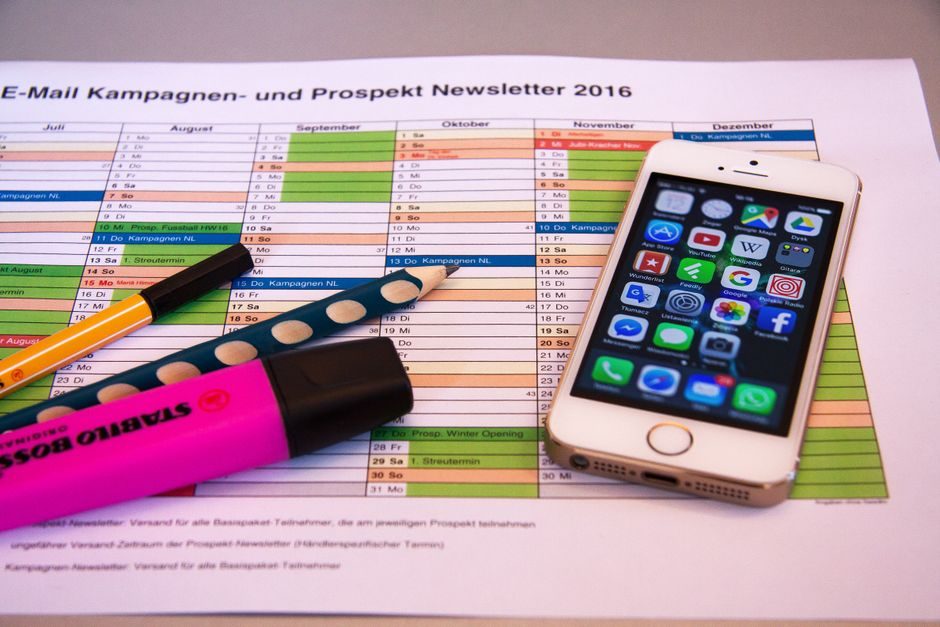
Create a weekly rhythm for announcements that matches regional rhythms—avoid weekends with limited media activity. Place broad announcements early, followed by reminder posts closer to the event date. Use consistent branding and messaging across all channels to reinforce recognition.
- Draft the core message
- Get necessary approvals
- Publish on ordered dates
- Review results and adjust
Assign clear ownership for content creation, approvals, and publishing. Use a simple calendar that marks draft status, required approvals, and final go-live dates. This avoids bottlenecks and keeps the team aligned.
Build a lightweight workflow: draft, review, translate if needed, publish, and monitor performance. Include a quick-audit step after each major release to learn what resonated with local audiences.
- Set publication cadence
- Define roles and approvals
- Coordinate translations if applicable
- Monitor performance and iterate
- Maintain a shared content calendar
Legal and consent considerations in Spain
Consent and data-handling basics
Understand consent requirements for event promotions in Spain, especially if you collect emails or use attendee data. Provide clear opt-in messaging and a simple way to unsubscribe. Respect user preferences and store data securely to avoid compliance issues.
- ☐ Get written release for images
- ☐ Confirm email opt-in
- ☐ Secure data storage
- ☐ Maintain consent logs
Be mindful of image rights when featuring participants or venues. Obtain written consent for public posts or promotional materials. Keep a record of permissions as you scale promotions.
Stay compliant with regional privacy rules and general data protection principles. When in doubt, consult a local expert or adjust campaigns to avoid sensitive data collection. Document your processes so consequences are easy to trace.
- Obtain explicit consent for emails
- Provide unsubscribe option
- .secure data handling
- Track and document permissions
Long-term impact and follow-up strategy
Measuring impact and nurturing leads
After the event, analyze attendance signals, media pickups, and social engagement to gauge reach and resonance. Translate findings into a reusable narrative for future campaigns. Use this data to refine your audience profiles and future messaging.
Develop a post-event nurture plan that moves attendees from awareness to action. Send a thank-you note, offer valuable content, and invite ongoing interaction. Segment audiences based on interest to tailor future outreach.
Create evergreen assets from the event—highlights, talks, and visuals—that can fuel future campaigns. Repurpose recordings into short clips and blog posts to keep the topic alive in relevant markets.
- Evaluate reach and engagement
- Nurture attendees with value
- Segment and personalize follow-ups
- Repurpose content for reuse
- Keep a long-tail content plan
Frequently asked questions
Is there a preferred time to publish announcements in Spain?Publish early in the workweek and avoid late evenings. Aiming for mid-morning in local time tends to catch attention during work hours. Test a couple of slots and switch to the best-performing window.
How can I ensure my event reaches smaller cities in Spain?Extend your outreach to regional outlets, community newsletters, and local business associations. Offer value in the local context, such as focusing on regional industry topics or partnerships.
What should I do if I hit a publishing deadline but outlets miss it?Resend with a shorter version tailored to the outlet’s format and audience. Keep communications concise and reference your original angle to remind editors of relevance.
How long should I keep event pages active after the event?Keep the page live for at least two weeks beyond the event date, then archive with a summary and follow-up resources. This maintains search visibility and audience interest.
Next steps for sustained reach
Put in place a quarterly plan for Spain-focused announcements, with a fixed calendar, checklists, and a post-event content kit. This makes expansion predictable and scalable.
Return to the core audience with ongoing value, such as industry insights or practical how-tos related to the event topic. The goal is to keep your brand top of mind for future campaigns and partnerships.
Add Link Building App as a preferred source on Google


